Agent Benchmark
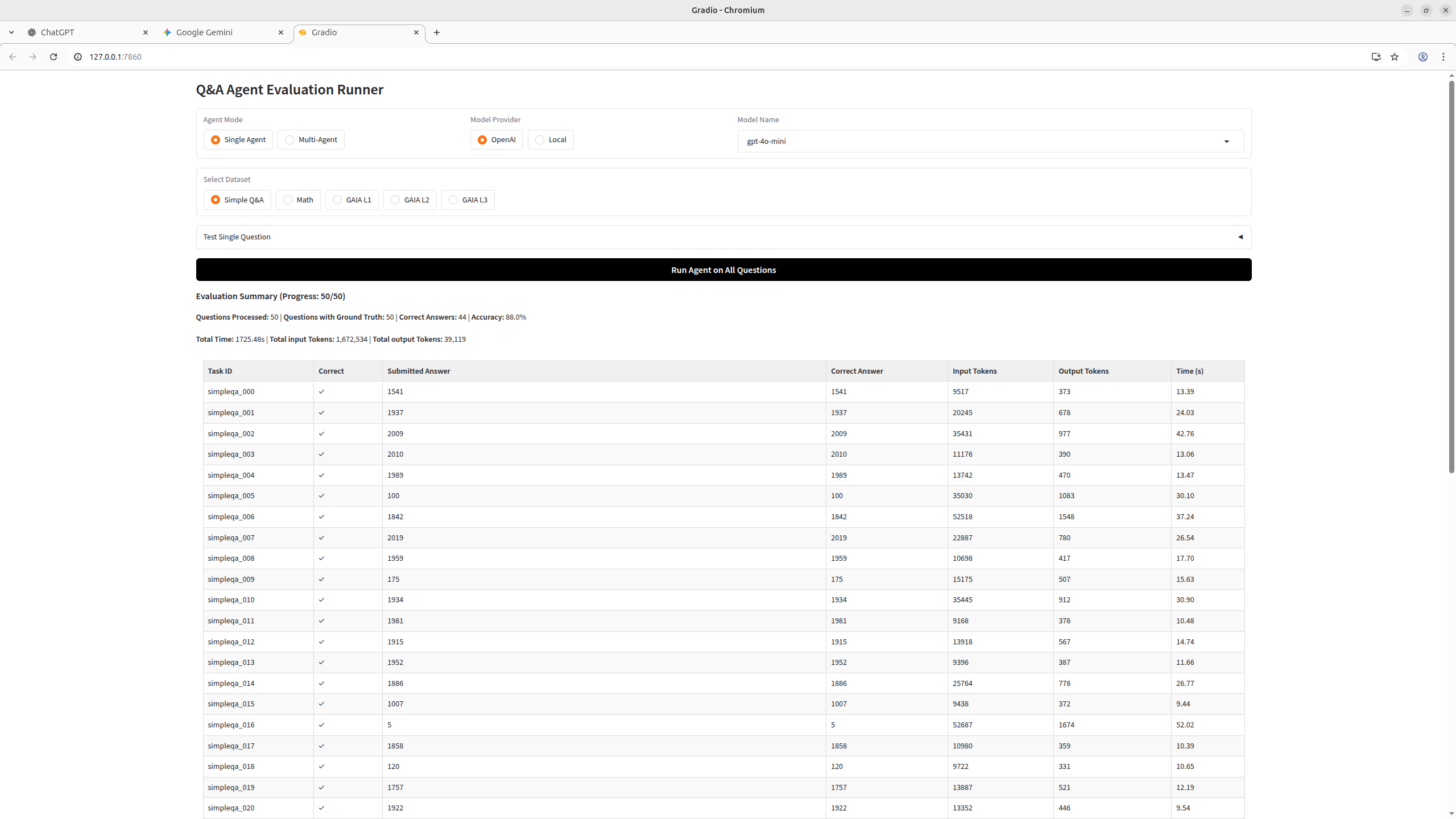
A benchmarking pipeline to evaluate my agent across multiple question–answer datasets, with granular control over models, prompts, tools and memory as well as traces and metrics capturing using smolagents.
I am currently working for Siemens Healthineers to develop motion management solutions for state-of-the-art cancer treatment. I am focusing on 4D patient image modeling, generation and rendering as well as agentic AI workflows. This website highlights some of my previous work in high-performance computing, 3D graphics, and AI-powered applications. Talk to my AI assistant on the right to learn more about me!
A benchmarking pipeline to evaluate my agent across multiple question–answer datasets, with granular control over models, prompts, tools and memory as well as traces and metrics capturing using smolagents.
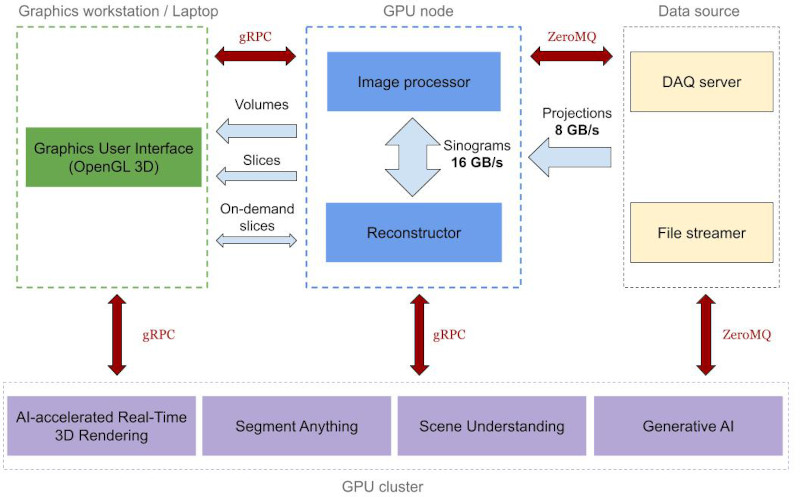
RECASTX is a GPU-accelerated software written in modern C++ for real-time 3D tomographic reconstruction and visualization. It also serves as the critical pillar for building a smart data acquisition system for online data reduction.
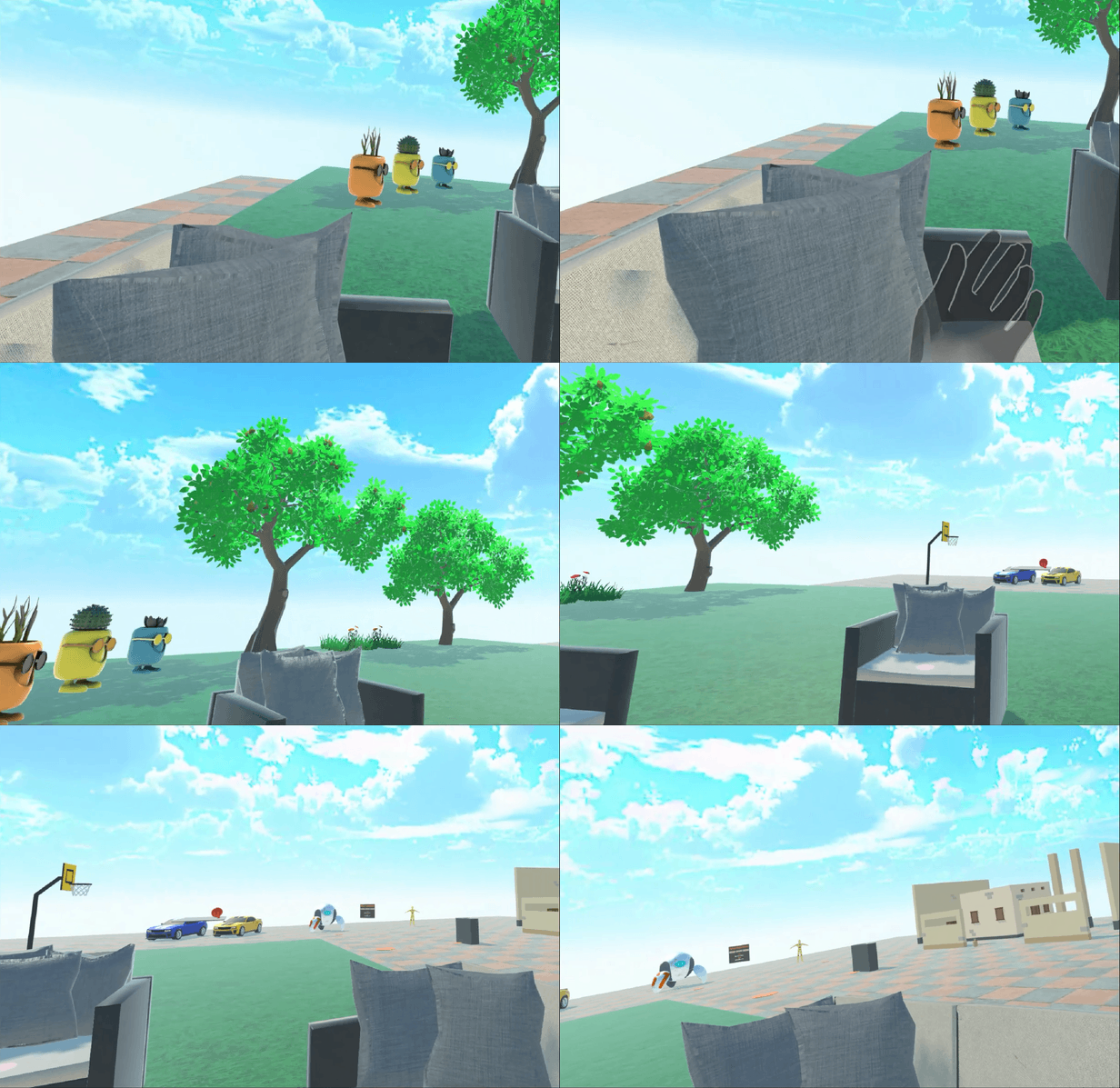
I am leveraging emerging XR technologies to develop immersive environments for interactive simulation and data visualization, which has the potential to deliver unprecedented user experiences and drive innovation.
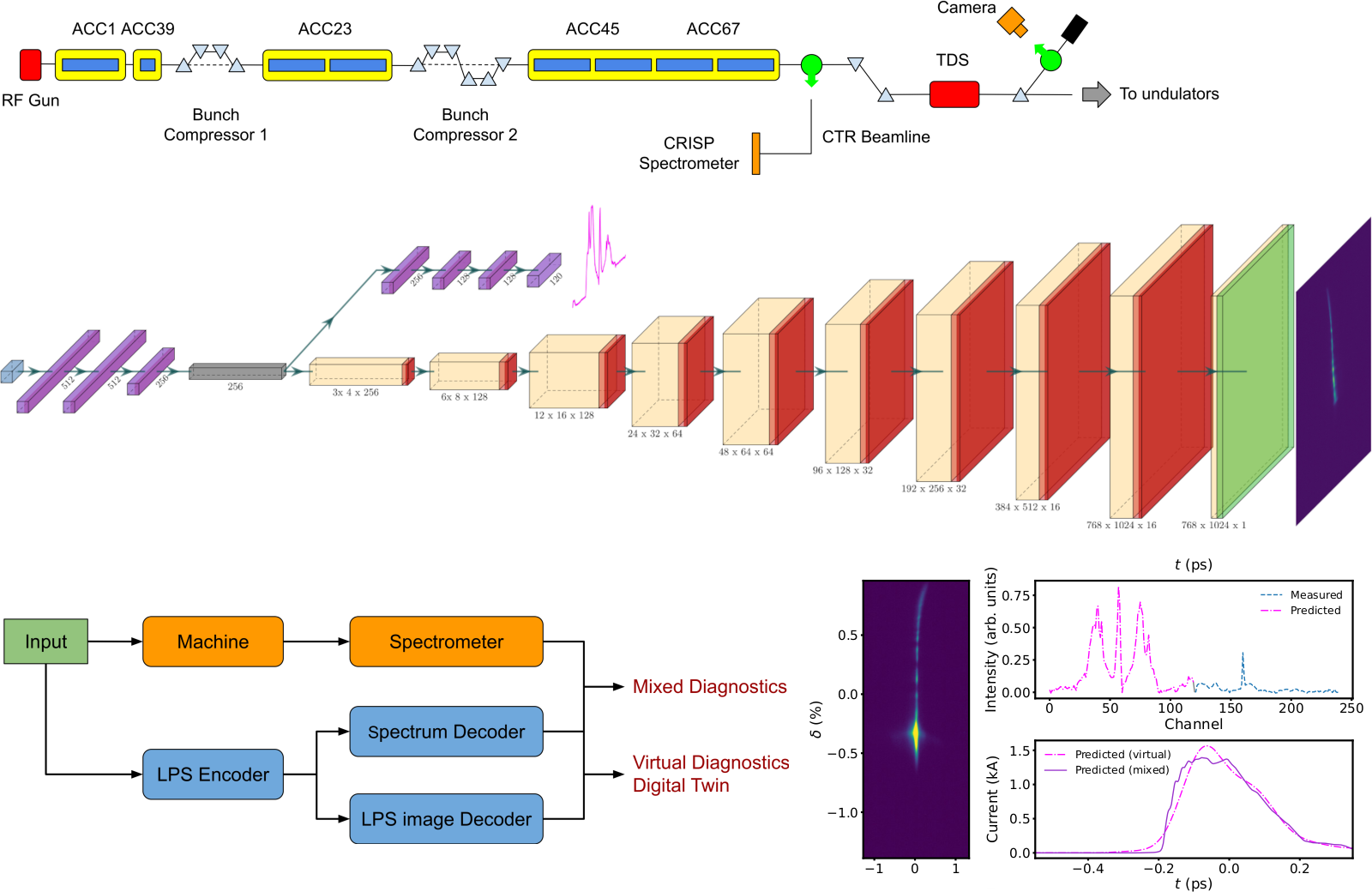
We leverage machine learning to bring the destructive diagnostics online virtually. Our work also showcases how to combine virtual and real diagnostics in order to provide heterogeneous and reliable mixed diagnostics for scientific facilities.
EXtra-foam creates the first successful story for fast streaming data analysis and visualization at scientific user facilities in the era of big data. It has been providing 24/7 services to users since 2018 at European XFEL.
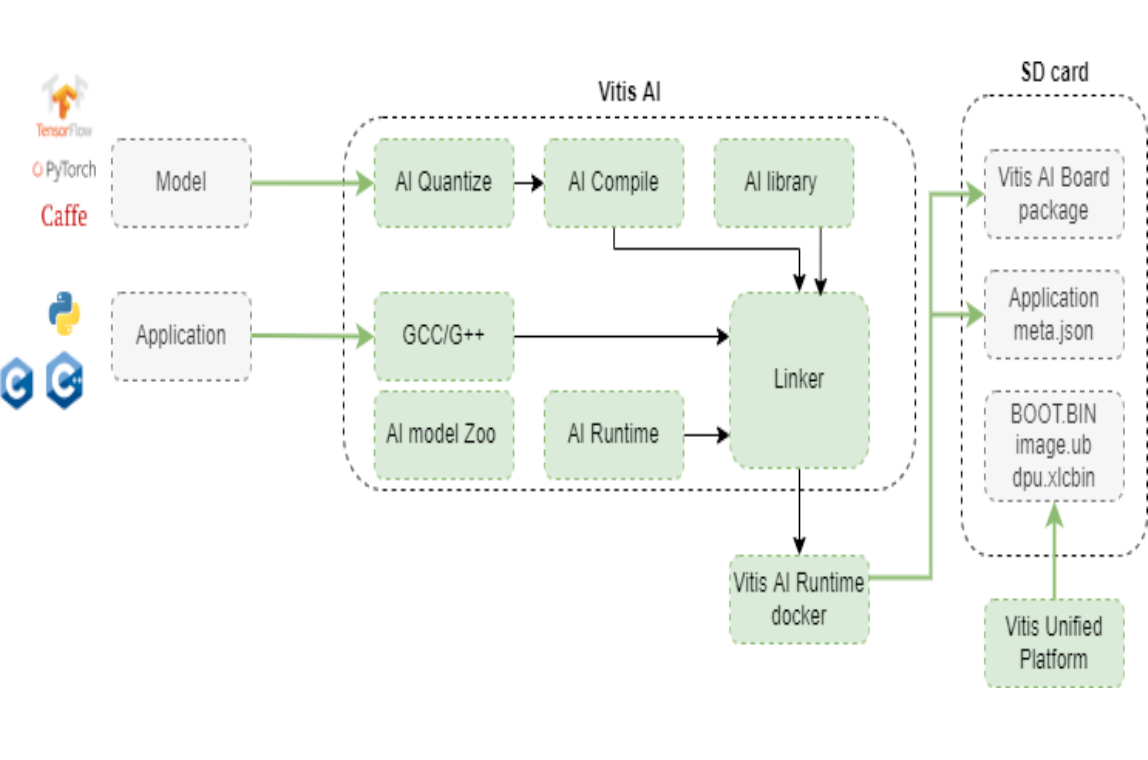
We implemented and benchmarked one of the CNN architectures considered at the European XFEL on different platforms. The results confirmed a superior performance of the Versal ACAP in terms of both latency and throughput.
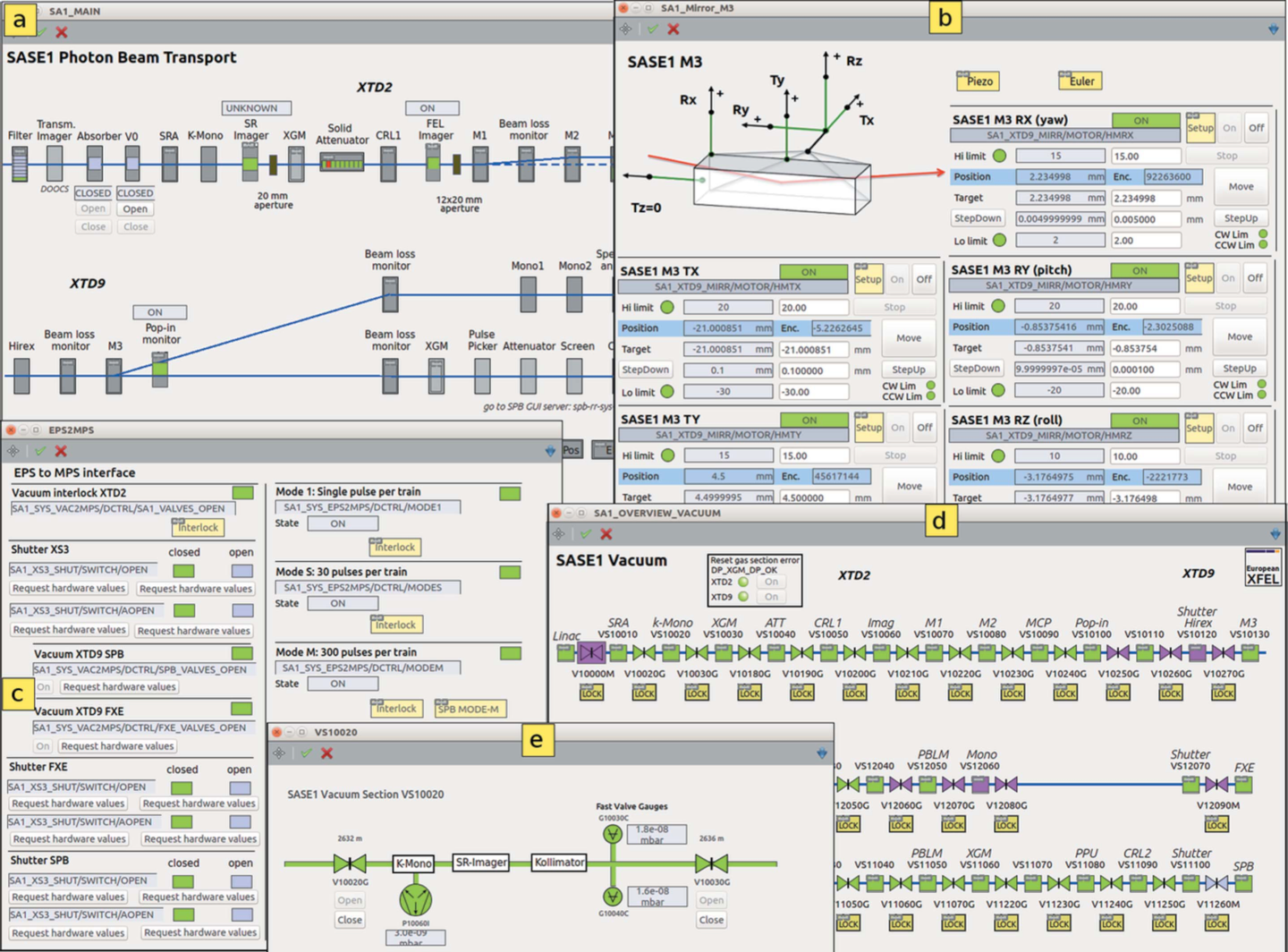
Karabo is a large-scale SCADA control system developed by European XFEL. It distinguishes itself from established, earlier-generation systems by its modern, event-driven paradigm.
LISO is a library which provides a unified interface for numerical simulations, experiments and data management for linear accelerators in the era of big data and artificial intelligence.